LIGHTEN UP: ON BIOLOGY AND TIME
MIT Museum, Cambridge, USA
28 October 2025 - 16 August 2026
Including work by Carsten Höller, Adam Haar Horowitz, Susan Morris, Seth Riskin, James Carpenter, Liliane Lijn, Helga Schmid.
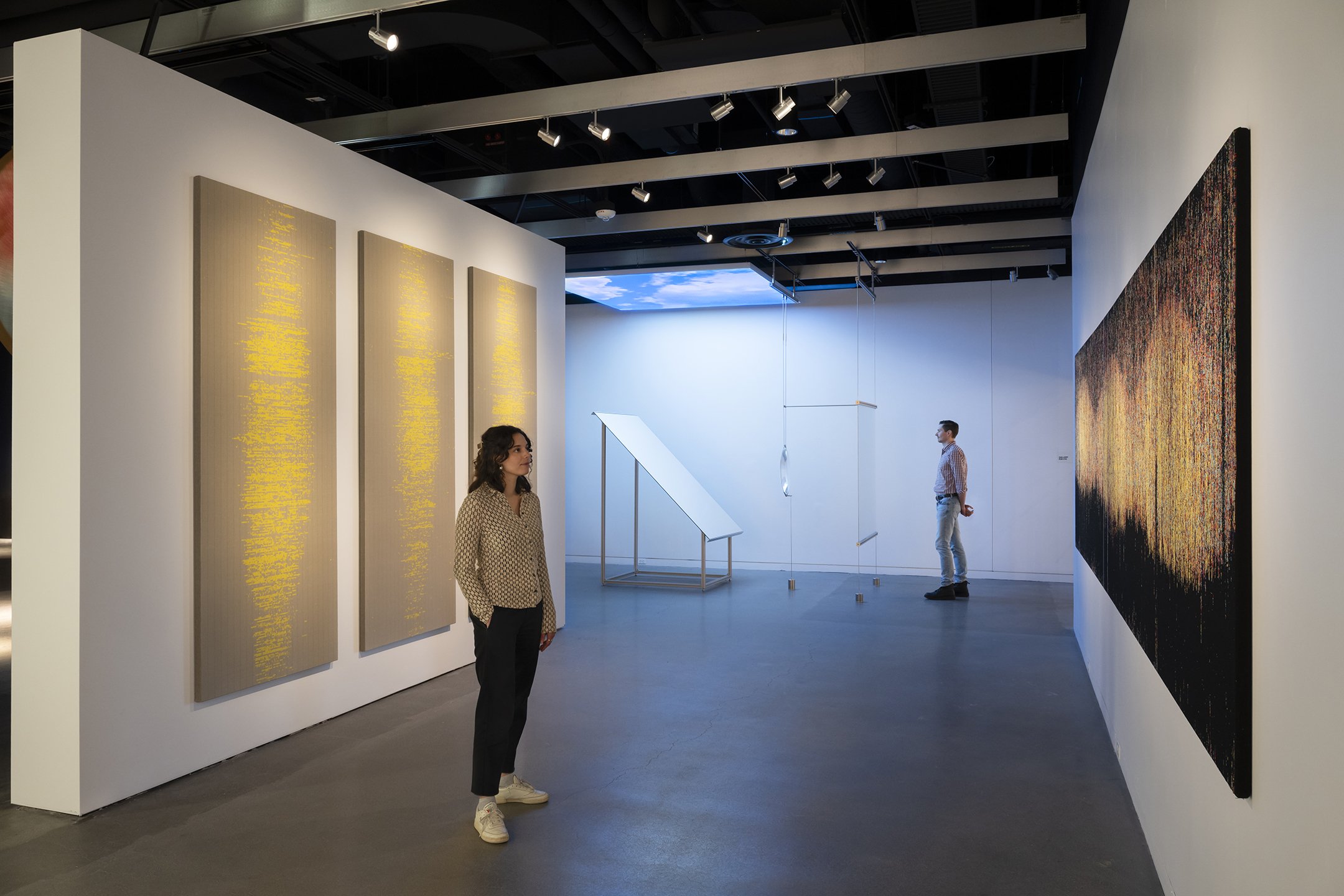
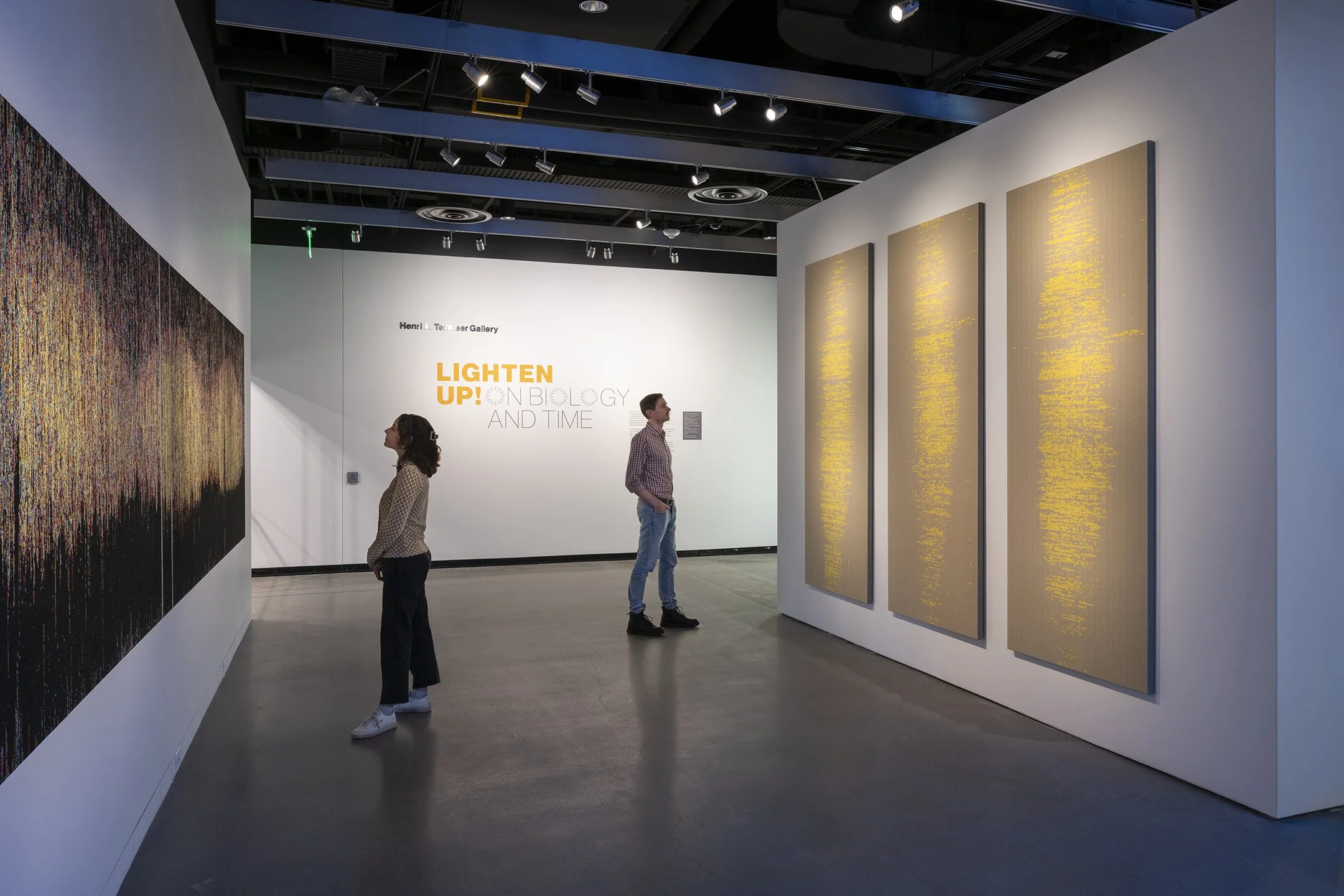
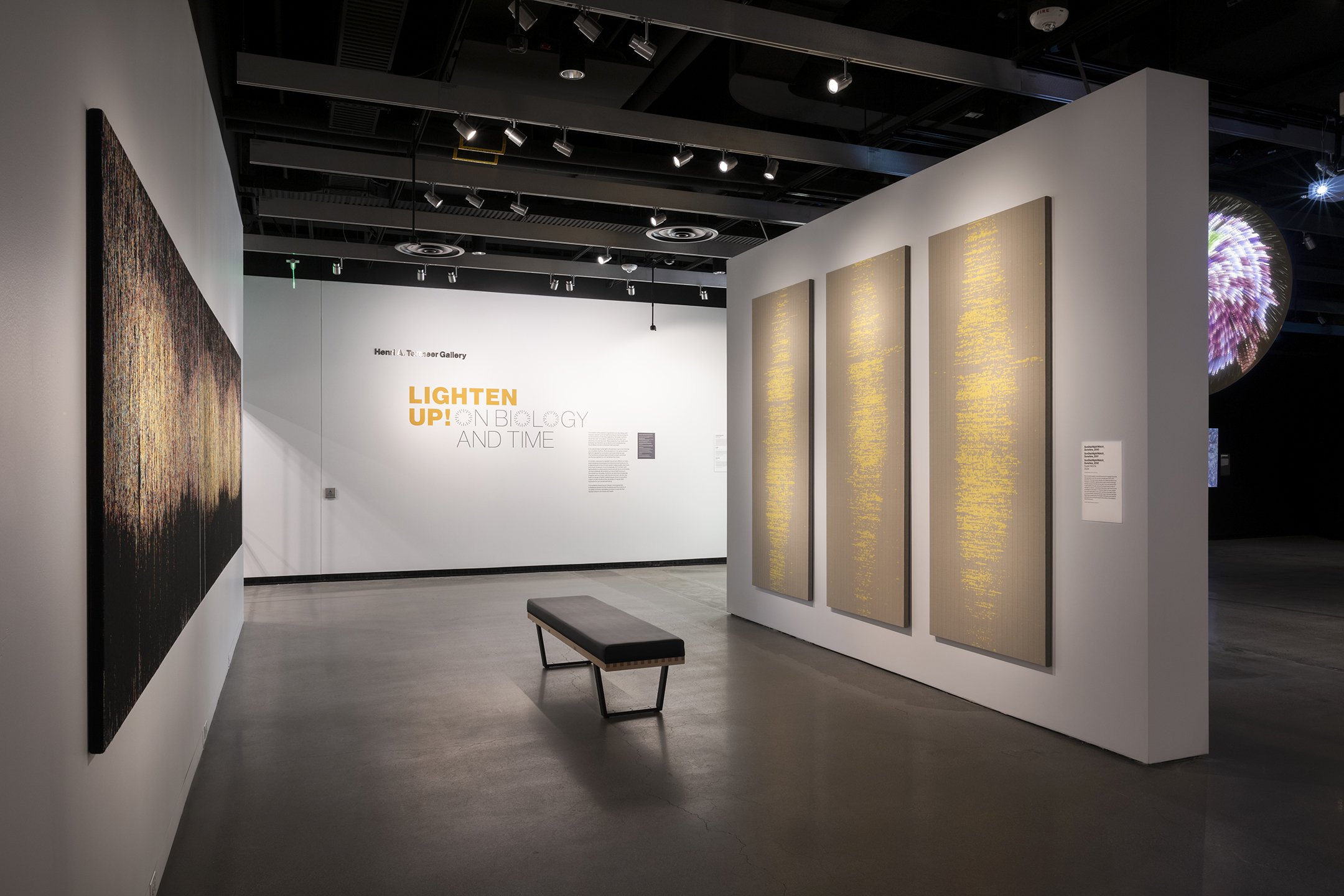
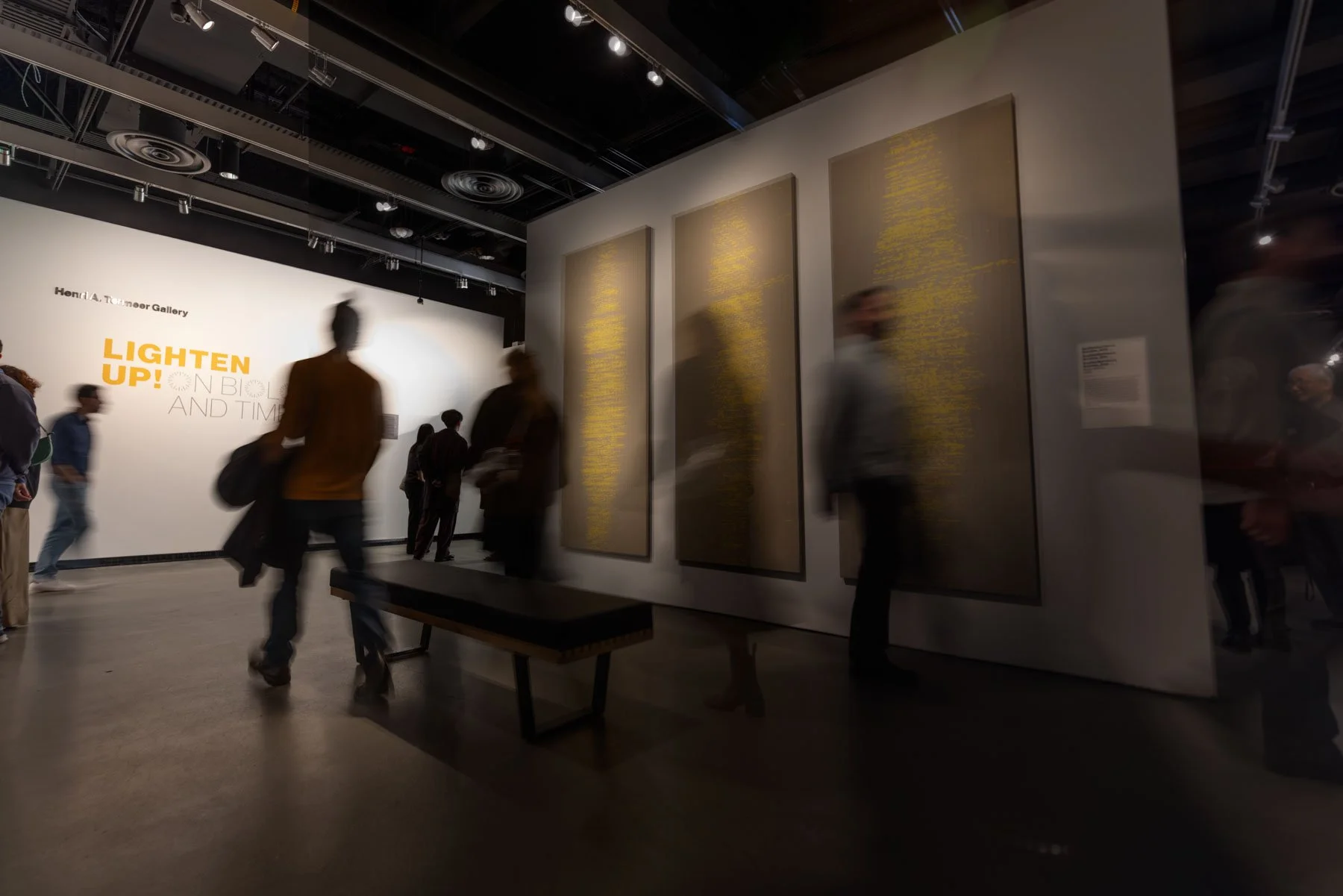
![LEFT TO RIGHT: SunDial:NightWatch_Sunshine_2011, SunDial:NightWatch_Sunshine_2010,SunDial: NightWatch_Sunshine_2012, [ALL]: Jacquard tapestry: Cotton & Linen Yarn, 251.5 x 95.5cm, 2024. PHOTO: Michael Lio](https://images.squarespace-cdn.com/content/v1/686d401c6efc130268642501/0f29c61e-5025-47f0-9a9a-600b247c27b1/001+3+x+SUNSHINE+TAPESTRIES+WINTERTHUR.jpg)

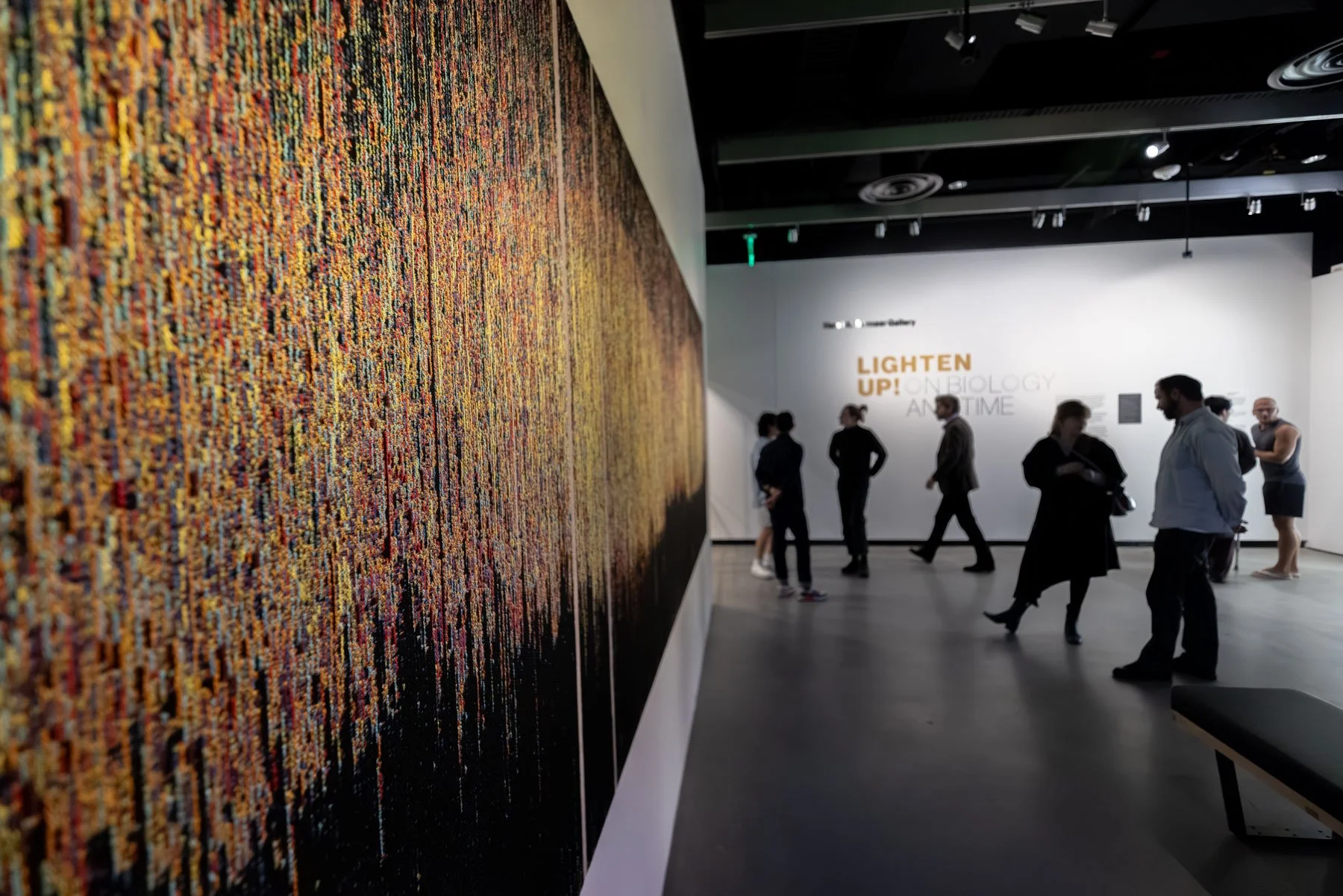
Lighten Up! On Biology and Time explores the connection between living organisms and the natural cycle of light and dark.
Exhibited in the Henri A. Termeer Gallery as part of the MIT Museum’s TIME thematic season, Lighten Up! features fifteen artists with eighteen immersive artworks, installations, and experiential environments either specifically conceived or newly adapted for the exhibition, including work by Carsten Höller, Adam Haar Horowitz, Seth Riskin, James Carpenter, Liliane Lijn, Helga Schmid, and more.
The Earth's rotation creates daily cycles of light and dark that shape every living being. Circadian rhythm is the internal clock in living beings that responds to time-based patterns of light and dark, influencing sleep, alertness, immunity, and mood. Light plays a key role in serving as the brain's primary signal of time: dawn and dusk in particular are natural synchronizers of biological rhythms. Lighten Up! reveals the beauty of these rhythms and the vital role of daylight, and offers new perspectives on sleep, dreams, and our resulting overall health.
Lighten Up! invites visitors to discover the secrets of biological clocks, explore alternative representations of time, delve into the unicity of one’s activity cycle and probe the mysteries of sleep and dreams.
“How does the rhythm of day and night affect our bodies and those of other living creatures? Why do we sleep? Why do we dream? Like the rising and falling tides, circadian rhythms punctuate our lives and the lives of all living organisms, profoundly influencing our behavior and health. By considering the nature of biological time, the exhibition Lighten Up! brings artists, architects and chronobiologists together to explore the nature of circadian rhythms in a series of artistic experiments and installations posing fundamental questions about the rhythms that define our lives. We are thrilled to partner with the École Polytechnique Fédérale de Lausanne (EPFL) in Switzerland on showing this major exhibition Lighten Up! at the MIT Museum.”
Michael John Gorman, The Mark R. Epstein (Class of 1963) Director, MIT Museum
Lighten Up! is exhibited as part of the MIT Museum’s TIME thematic season. The exhibition was originally organized and presented by EPFL Pavilions in Lausanne, Switzerland, curated by Anna Wirz-Justice, Marilyne Andersen, Sarah Kenderdine, and Giulia Bini, and is presented at the MIT Museum in collaboration with the EPFL curatorial team.

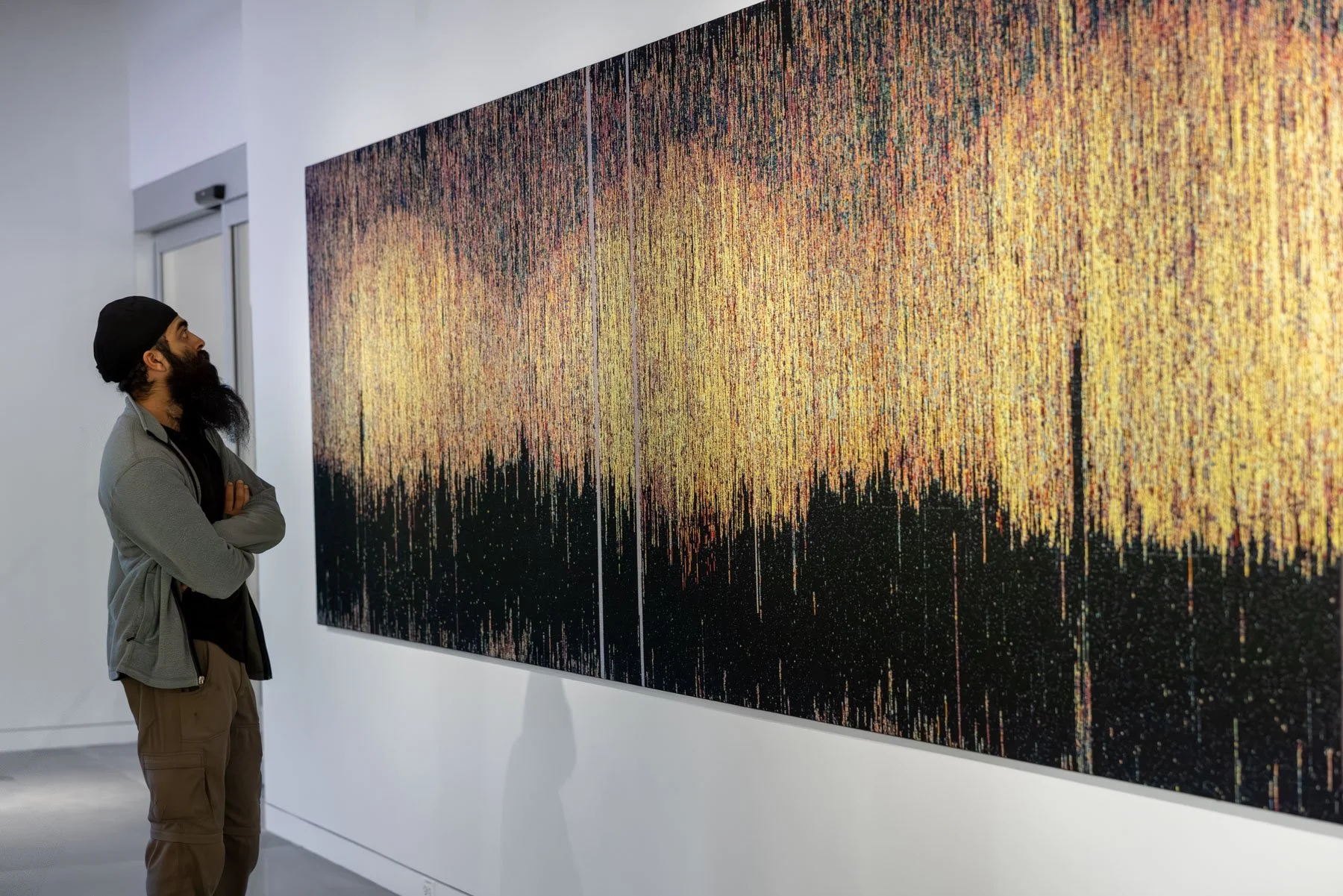
SunDial:NightWatch_Activity and Light 2010-2012 (Tilburg Version)
Susan Morris
2014
Jacquard tapestry of silk and linen yarn
This work represents the artist’s sleep-wake patterns over three years, alongside patterns of her exposure to ambient light. The recording begins at the bottom left-hand corner of the tapestry at midnight on January 1, 2010, and ends at the top right-hand corner at midnight on December 31, 2012. Nights occupy the bottom third of the tapestry, artificially lit evenings are along the top section, and middays run across the center of the piece. The 1,096 days run vertically from left to right across the tapestry. Activity appears on a gradient from black to various blues, while red indicates maximum light exposure. Within the work, seasonal changes as well as anomalies in the artist’s schedule, such as the disruption caused by daylight saving time, are apparent. Long summer days are seen diminishing into the winter months, and even the artist’s trips across time zones are discernible in the first and third year.
Courtesy of Collection Centre Pasquart, Biel/Bienne, Switzerland

SunDial:NightWatch_Sunshine_2010, SunDial:NightWatch_Sunshine_2011, & SunDial:NightWatch_Sunshine_2012
Susan Morris
2024
Jacquard tapestry of cotton and linen yarn
Each Sunshine tapestry records the amount of daylight the artist was exposed to over the course of a single year (2010, 2011, and 2012). They were woven directly out of data recorded on an Actiwatch, a scientific medical device used to track movement and light exposure that Morris has used in her work since 2005. In each tapestry, the year starts at the top left-hand corner at midnight on January 1, and ends at the bottom right-hand corner at midnight on December 31. They are made from raw, undyed linen with bright yellow cotton yarn running horizontally in lines of varying intensity, representing each day’s total recorded light. Black lines, travelling down the length of the piece and made by pulling the warp (vertical) thread to the surface of the tapestry, denote the hours.
Courtesy of Bartha_Contemporary, London, UK